Why wooden utensils split, and how to keep them for years

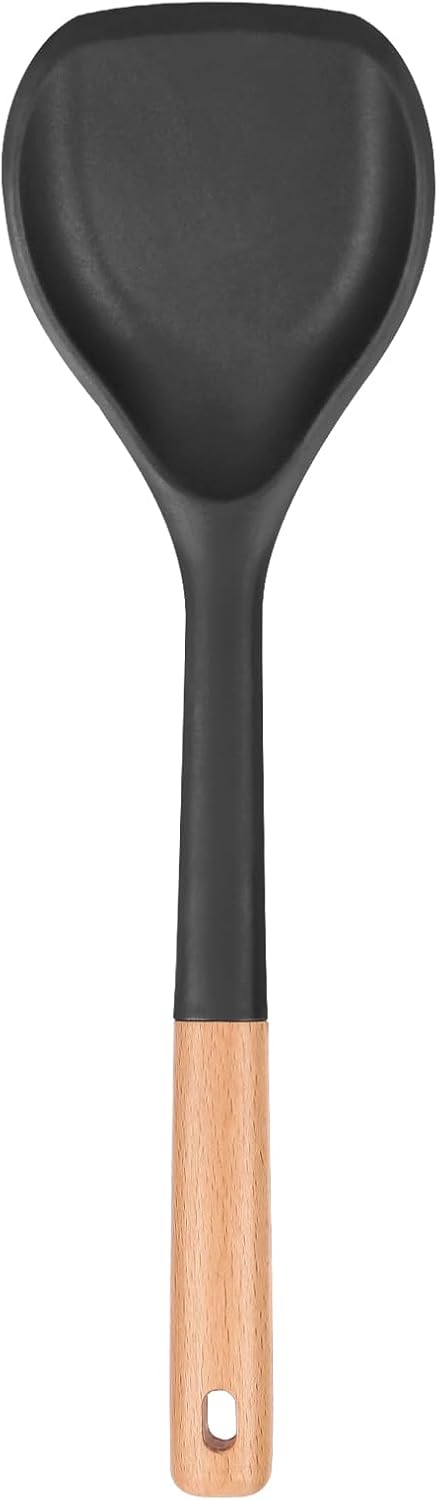
A wooden spoon can last decades or crack within a year, and the difference is almost entirely water exposure. Wood absorbs moisture and swells, then shrinks as it dries. Do that gently and slowly and nothing happens; do it quickly and repeatedly and the fibres separate.
Soaking is the main cause of failure
A wooden utensil left in a sink of water absorbs a large amount of it quickly and swells unevenly. Drying then shrinks it unevenly, and the stresses open the grain.
Washing promptly rather than leaving things to soak is the single most important habit for wooden tools.
The dishwasher combines every hazard at once
A dishwasher supplies prolonged water contact, high heat and forced drying, which is the exact combination that raises grain and splits wood.
Even items sold as dishwasher safe age much faster there. Hand washing takes a few seconds and effectively triples the working life.
Dry it standing up, not lying in a drainer
A utensil lying flat holds water underneath and dries unevenly, which is another way to introduce the same stress.
Standing it in a jar or upright in a rack lets it dry evenly from all sides.
Raised grain is normal, and fixable
After a few washes the surface feels rough because the wood fibres have lifted. That is expected and does not mean the utensil is failing.
A light rub with fine sandpaper takes the roughness off and returns it to smooth. It takes a minute and can be done whenever it becomes noticeable.
Oil is maintenance, not decoration
A food-safe oil occasionally soaks in and slows water absorption, which directly reduces swelling and shrinking. It also restores the colour.
Mineral oil is the usual choice because it does not go rancid. Cooking oils can turn sticky over time, which is why they are not ideal here.
Retire a cracked one from raw food use
Once a crack opens it holds moisture and food residue in a place that cannot be cleaned reliably. That is a genuine hygiene issue rather than a cosmetic one.
A cracked spoon is still fine for dry goods or for the compost heap; it should not be going into raw meat.
Wood on this shelf
The teak and acacia pieces here are the ones this applies to, and they are marked hand wash rather than dishwasher safe for exactly these reasons. On our own shelf that range currently runs from $4.99 for the Badiano Nonstick Silicone Wok Spatula, Flexible Edge, 13.2-inch Black up to $8.99 for the Spring Chef XL Pastry Blender, Black Dough Mixer with Stainless Steel Blades.
The list below comes out of Cooking Utensils, presently 9 products. The prices here are the ones you will pay, with no late additions at the payment step.
- Badiano Nonstick Silicone Wok Spatula, Flexible Edge, 13.2-inch Black — $4.99
- Grip-EZ Fiskie 11-Inch Fork & Whisk Combo for Mixing & Mashing – 1 Count, Black — $6.28
- Hoewina 5-Piece Multicolor Silicone Spatula Set for Baking & Cooking — $6.49
- Honglida Silicone Wok Skimmer – Non-Scratch Slotted Spoon for Cooking & Frying — $7.99
- HOTEC Premium Stainless Steel Locking Kitchen Tongs with Silicone Tips, Set of 2 (9" & 12") — $7.99
- Spring Chef XL Pastry Blender, Black Dough Mixer with Stainless Steel Blades — $8.99
Related reading
Two other pieces on this site cover ground next to this one. Tongs grip and turners lift, and using one for the other is why some food ends up on the floor. And on a related note, all three are safe on nonstick, and they behave completely differently around heat and water.
- Tongs, turners and the difference between gripping and lifting
- Silicone, nylon or wood: which utensil for which pan
Choosing wood that lasts
Dense close-grained timbers like teak, acacia and beech resist water movement far better than soft open-grained ones. A cheap softwood spoon will split regardless of how carefully it is treated.
One-piece construction matters too. Anything glued or laminated has a joint that water will eventually work into, and a spoon carved from a single piece has no such weak point.
Whether a stained spoon is a problem
Wood picks up colour from turmeric, tomato and red wine, and it is cosmetic. The wood is not contaminated and the stain does not affect food.
Odour is a different signal. A wooden spoon that smells of something even after washing has absorbed oils into the grain, and if that persists after a bicarbonate paste and thorough drying, it is reasonable to retire it from use with delicate foods.
Reviving a spoon that has dried out
A wooden spoon that has gone pale, rough and slightly fuzzy has lost its surface oils rather than failed. A light sand followed by a generous coat of food-safe oil left to soak in overnight restores it almost completely.
Repeat the oiling once or twice if the wood drinks the first coat quickly, which very dry wood will. A spoon treated this way comes back to something close to new, and the whole process costs a few minutes.
The routine
Wash promptly by hand, never soak, dry standing up, sand lightly when the grain lifts and oil occasionally. Five habits, none of them time-consuming, and a wooden spoon outlives most of the kitchen around it.
Orders are packed in Los Angeles, CA. Shipping is $4.95 and free over $39; unused items may be returned within 30 days. [email protected] is the fastest way to reach us.